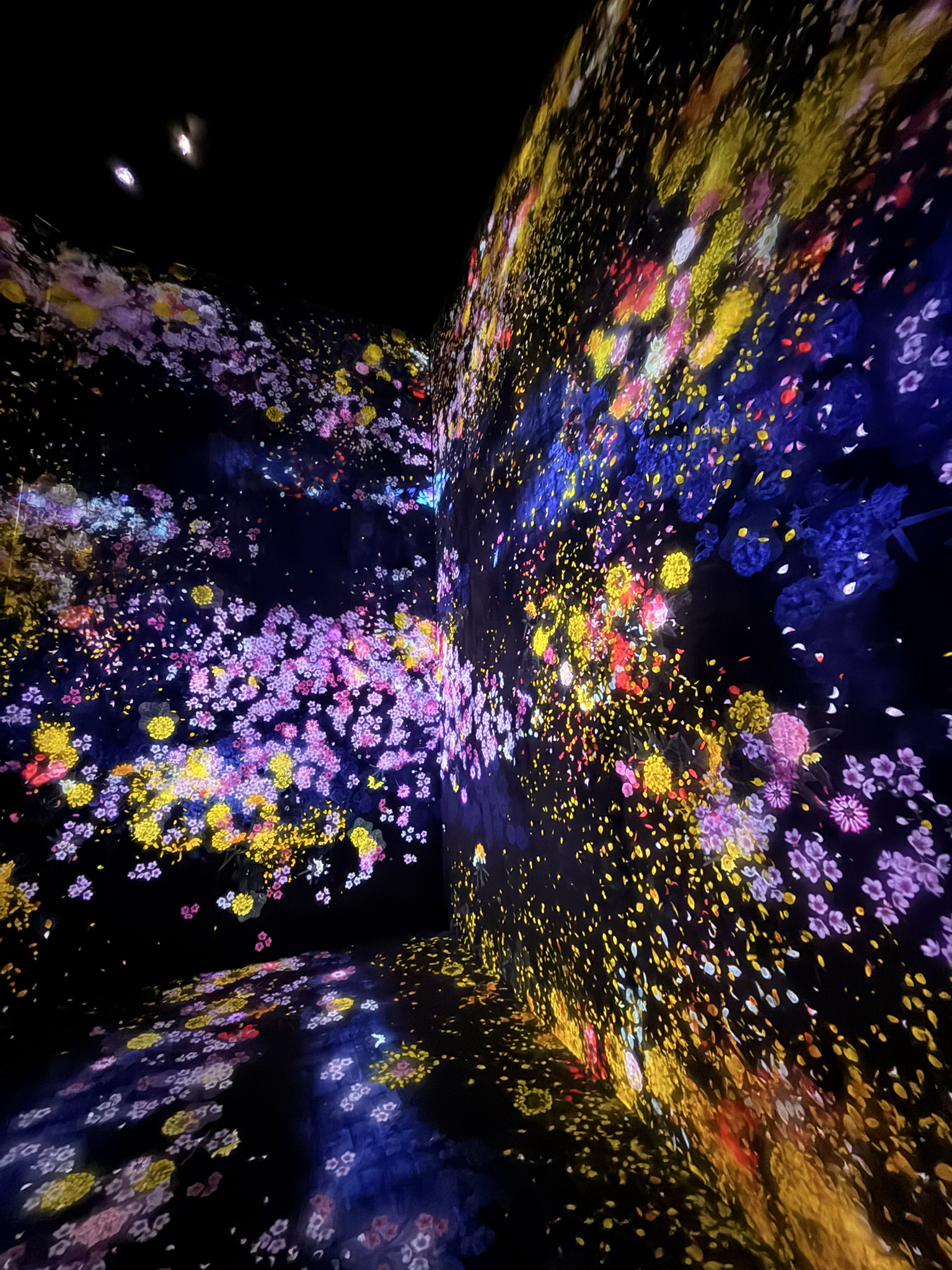
teamLab Tokyo: Borderless vs Planets — Which One Is Actually Better?
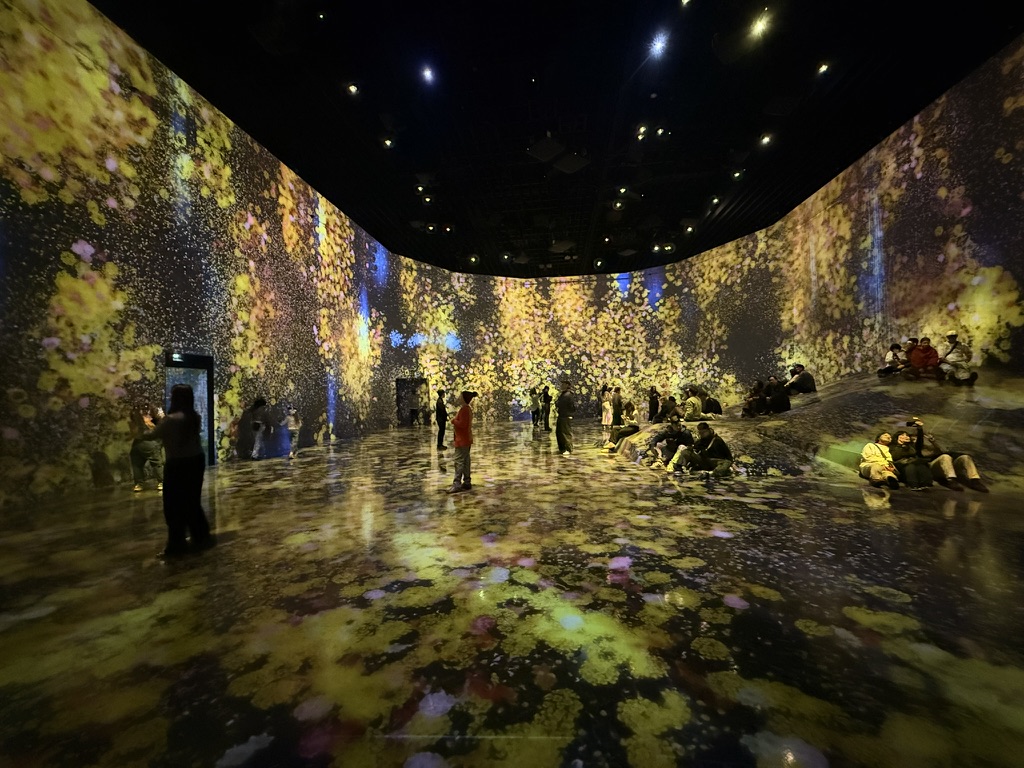
During my recent trip to Tokyo, I decided to visit not just one but both teamLab digital art museums. I had heard about them for years, but what finally convinced me was my sister. She had taken her kids there and was so impressed that she said she wanted to visit every teamLab installation in the world.
That was enough to make me curious.
This visit happened during my 13-day luxury Asia trip, where I traveled across seven cities using points, miles, and credit card benefits. If you want to see the full story of that trip, you can read it here: A 13-Day Luxury Asia Trip Across 7 Cities for Almost $0.
During my time in Tokyo, I set aside two mornings to explore both museums: teamLab Borderless in the city and teamLab Planets near Tokyo Bay.
Although they are created by the same art collective, the experiences turned out to be surprisingly different.
teamLab Borderless: Getting Lost in Digital Art
My first visit was to teamLab Borderless in central Tokyo. It was actually my first destination after arriving in the city and getting my first night of sleep.
At that point I was still figuring out Tokyo public transportation, so naturally I made a small mistake. I went one station too far on the subway. Instead of backtracking, I decided to walk the remaining distance.
That turned out to be a good decision. It was a quiet, chilly Tokyo morning, and the walk gave me a chance to enjoy the skyline and calm atmosphere of the city.
Finding the museum itself took a little effort. I had expected a large standalone building, but the entrance was actually inside a shopping mall on a lower level. Once I located it, however, the process was easy.
Tickets can be purchased online in advance, but because I arrived early on a weekday morning, I was able to scan a QR code, buy a ticket on the spot, and walk right in.
My entry group had only about five or six people, which made the experience especially enjoyable.
First Impressions Inside
The experience begins quietly. Visitors walk through a long hallway and descend a staircase that feels almost ceremonial.
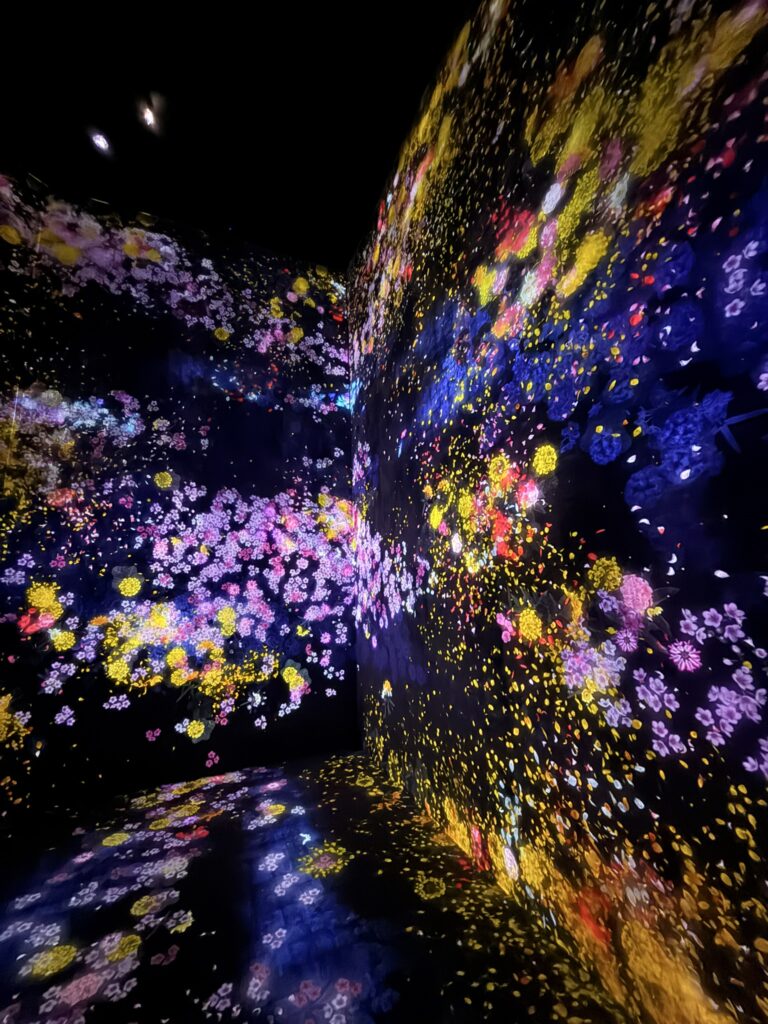
There is a sense of anticipation as you enter.
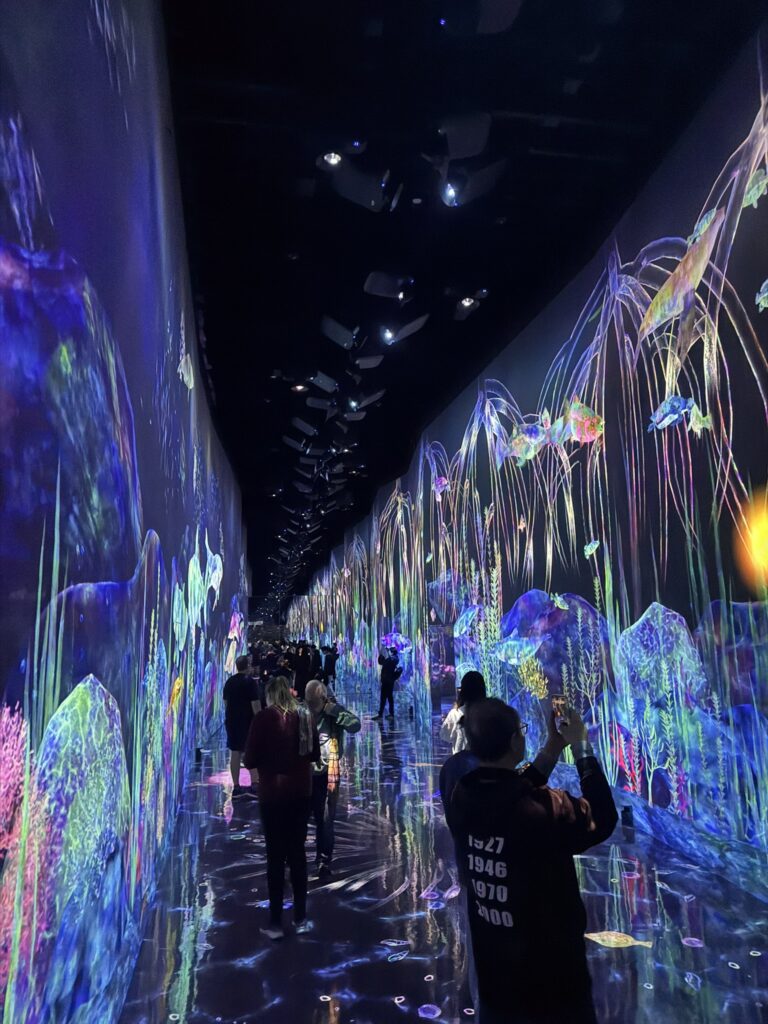
Then suddenly the environment changes. Walls come alive with projections of moving colors and images. The entire space feels like stepping into a digital world.
The layout resembles a maze, encouraging visitors to wander and discover installations on their own rather than following a fixed route.
That sense of exploration is part of what makes Borderless so memorable.
Rooms That Feel Like Another World
Inside Borderless there are many rooms branching off from the main pathways, each with a completely different visual theme.
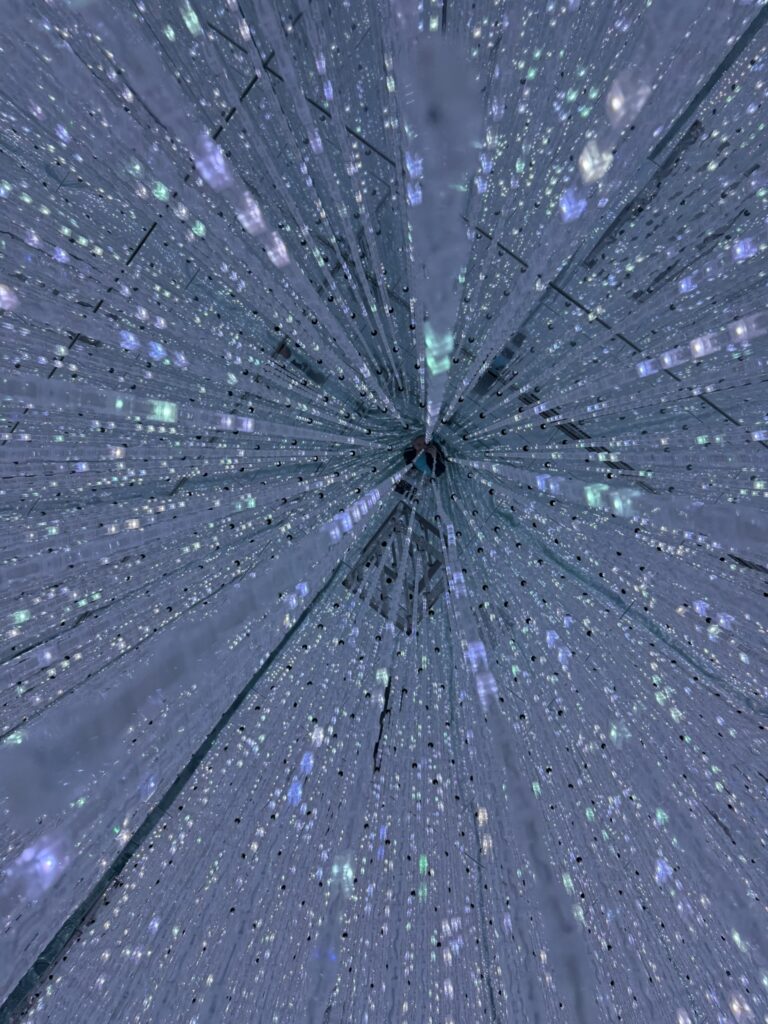
One of my favorite installations was a room filled with thousands of hanging light strings. As visitors walk through them, the lights shift and move, creating patterns that feel almost cosmic. Standing inside it felt like being surrounded by a living galaxy.
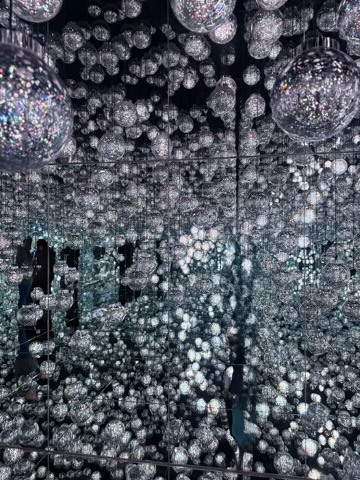
Another impressive room used mirrors and reflections to create an infinite visual effect. Lights surrounded the space from every direction, reflecting endlessly and creating a surreal environment.
There were also installations where images flowed from the ceiling to the walls and then onto the floor, making it feel as if the entire world around you was moving.
At one point I even called my kids to show them the lights. They watched for about thirty seconds before becoming more interested in seeing me than the installations themselves.
After a few minutes, I hung up and continued exploring.
A Space Designed for Wandering
One thing I really appreciated about Borderless is that it allows visitors to explore freely. There is no strict route through the museum.
Instead, you move through the space at your own pace and discover installations naturally along the way.
Some rooms feel calm and meditative with ambient music and slowly shifting visuals. Others feel energetic and immersive.
I ended up spending almost three hours inside, although it would be possible to go through the exhibition in about 90 minutes if you moved quickly.
teamLab Planets: A More Physical Experience
The second museum I visited was teamLab Planets, located near Tokyo Bay.
Getting there was part of the experience. I took the subway to the Ginza area and then transferred to the Yurikamome Line, an elevated automated train that runs along the waterfront.
The ride offers beautiful views of Tokyo Bay and the skyline, which makes the journey itself enjoyable.
Unlike Borderless, the museum here has its own building, so it is much easier to locate.
📷 Photo suggestion: Yurikamome train with Tokyo Bay skyline
A Different Type of Exhibition
Although both museums are immersive digital art experiences, Planets feels much more physical.
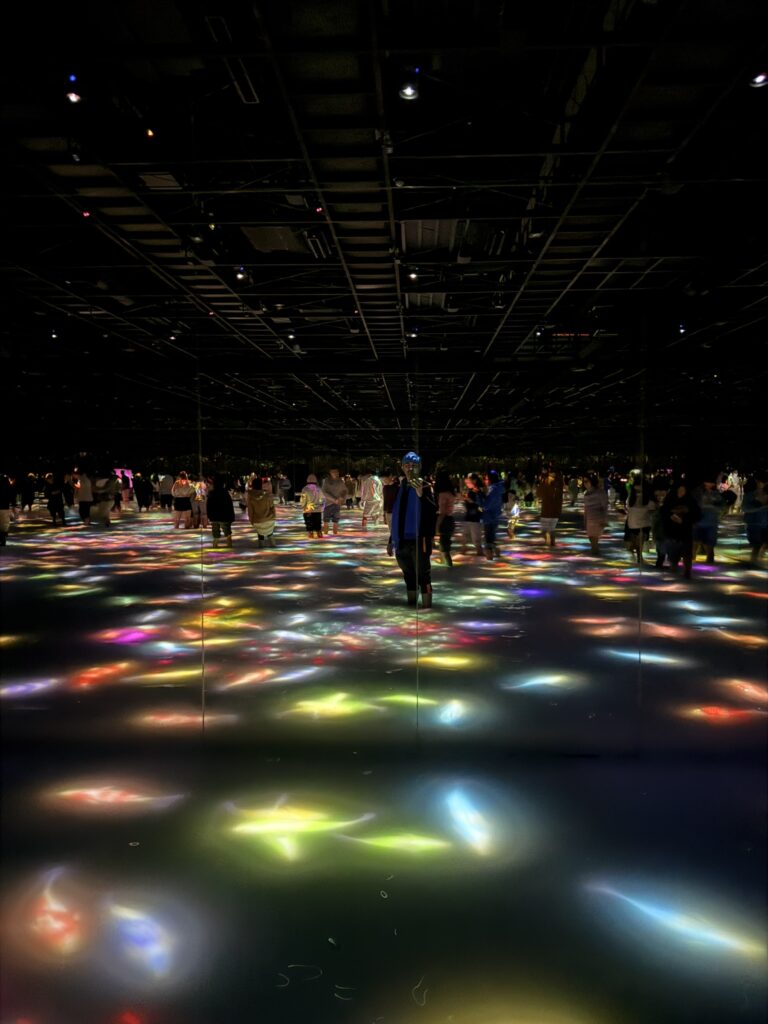
One of the first things visitors must do is remove their shoes. Several installations involve water, so you actually walk through shallow pools during parts of the experience.
The museum is divided into multiple zones.
In one area, water interacts with projected images around your feet. In another, visitors climb or balance across interactive installations.
One section feels almost like walking across narrow paths suspended in a surreal environment.
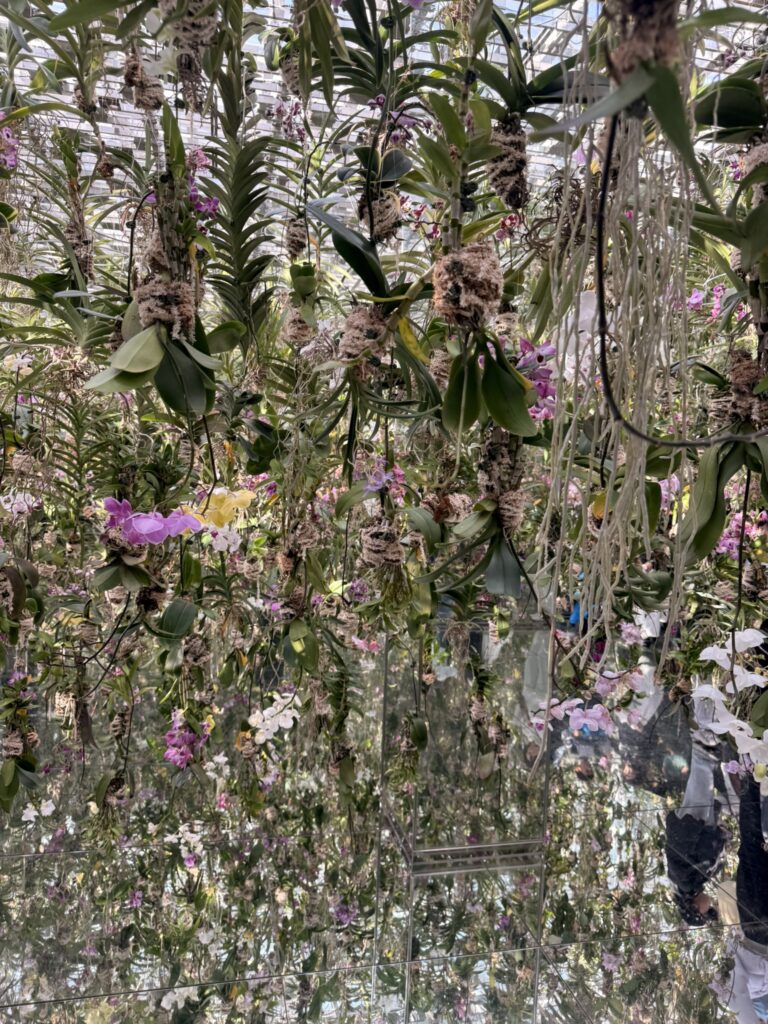
Another installation resembles a dreamlike garden filled with hanging plants and soft lighting.
Comparing the Two Museums
Although both museums are created by the same art collective, the experiences are quite different.
teamLab Borderless
- maze-like exploration
- many separate rooms with unique themes
- strong emphasis on visual immersion
teamLab Planets
- more structured route
- physical interaction with installations
- water and movement-based environments
Both are visually stunning, but the atmosphere feels very different.
Practical Tips for Visiting teamLab Tokyo
Ticket Price
Ticket prices vary slightly depending on the season and time slot.
Typical prices are around:
- teamLab Borderless: ¥3,800–¥4,200
- teamLab Planets: ¥3,200–¥3,800
Tickets can be purchased online through the official website:
How Long to Spend
Typical visit times:
- Borderless: 1.5–3 hours
- Planets: 1–2 hours
If you enjoy photography or simply want to sit and absorb the atmosphere, you can easily stay longer.
What to Bring
A few small tips can make the visit more comfortable:
- Bring a water bottle (allowed inside)
- Wear comfortable clothing
- Be prepared to remove your shoes at teamLab Planets
Some installations may require storing backpacks in lockers.
Final Thoughts
Before visiting Tokyo, I had heard a lot about teamLab. After experiencing both museums, I understand why the exhibitions have become so popular.
The installations are creative, immersive, and unlike anything found in a traditional museum.
If you only have time for one, either location will provide a memorable experience. But if you enjoy immersive art and digital environments, visiting both offers two distinct perspectives on the same concept.
For me, it was one of the most memorable highlights of my time in Tokyo.
[…] my time in Tokyo, I spent a morning exploring teamLab Tokyo’s immersive digital art museums, which turned out to be one of the most unique experiences of the trip. Getting around the city […]