A Fantastic 13-Day Luxury Asia Trip for Nearly Free
This trip report explains how I built a 13-day Asia trip across seven cities using points, miles, and credit card rewards. By combining Alaska Mileage Plan miles, Hyatt hotel points, and travel credit card benefits, I was able to stay in luxury hotels and fly across Asia with almost no out-of-pocket cost
I hadn’t been back to China since 2020. For a while I had been thinking about returning, but I didn’t want to plan a typical trip.
Two things motivate my travel more than anything else.
First, I enjoy exploring well-designed luxury hotels. I often study how they design their rooms, lobby spaces, lighting, and layout. Many of these ideas eventually influence how I design my own Airbnb properties, and someday I hope to create my own boutique hotel.
Second, I enjoy the strategy of travel itself — combining miles, points, elite status, and credit-card benefits to make a trip extremely efficient.
This trip became the perfect opportunity to combine both.
Over the course of 13 days, I traveled across seven cities in Asia, stayed in several luxury hotels, and flew multiple flights — all while keeping my actual out-of-pocket spending extremely low.
Almost every major expense on the trip was covered through miles, points, or credit-card travel credits.
Tools and Programs Behind This Trip
This trip relied on a combination of airline miles, hotel points, elite status, and credit-card travel credits. The key programs I used included:
| Program / Card | How It Was Used |
|---|---|
| Alaska Mileage Plan | Booked the transpacific flight from San Francisco → Tokyo → Shanghai with a free stopover |
| Hyatt Points | Redeemed multiple hotel stays across China and Japan |
| Flying Blue (Air France / KLM) | Booked a short-haul flight within China (Hangzhou → Kunming) |
| American Express Fine Hotels & Resorts | Used annual hotel credits for luxury hotel stays |
| Capital One Travel Credit | Covered the Xi’an → Seoul positioning flight |
| Ritz-Carlton Chase Travel Credit | Reimbursed additional travel expenses |
| Alaska MVP 75K Elite Status | Provided upgrade certificates and better seat selection |
| Hilton Aspire Credit Card | Free night certificate used at Conrad Tokyo |
Rather than relying on a single program, the trip worked because multiple programs were stacked together.
Trip Structure
Before diving into the details, here is the full structure of the trip.
Day 1
San Francisco → Haneda (Economy Flight)
Day 2–3
Stay: Hyatt Regency Yokohama
Day 4
Stay: Conrad Tokyo
Day 5
Haneda → Shanghai (Economy Flight)
Stay: Park Hyatt Shanghai
Day 6
Shanghai → Ningbo (Private Car)
Stay: Park Hyatt Ningbo Resort (suite)
Day 7–9
Hangzhou → Kunming (Economy Flight)
Stay: Grand Hyatt Kunming (suite)
Day 10-11
Flight Kunming → Chengdu
Stay: Waldorf Astoria Chengdu
Stay: St. Regis Chengdu
Day 12
High-speed train Chengdu → Xi’an
Stay: Grand Hyatt Xi’an (suite)
Day 13
Xi’an → Seoul (Economy Flight)
Seoul → Seattle → San Francisco (Business Flight)
San Francisco → Haneda
Economy Class on Japan Airlines
This trip began with a redemption through Alaska Mileage Plan.
I booked a flight from San Francisco to Tokyo (Haneda) for 35,000 Alaska miles. One reason Alaska miles are particularly valuable is that they allow a free stopover on partner awards. That meant I could continue on to Shanghai later without paying additional miles.
Although many travelers focus on business class redemptions, I intentionally chose economy class for this flight.
The flight departed during the daytime, and I rarely sleep well on planes. Because of that, the additional cost of business class would not have provided much extra value.
Thanks to my Alaska elite status, I was able to select a seat with additional legroom. The flight was also relatively empty due to the low travel season, so no one ended up sitting next to me.
In this case, economy was simply the more efficient choice.
Hyatt Regency Yokohama
2 Nights – 9,000 Hyatt Points per Night
For the Tokyo portion of the trip, I initially searched for Hyatt properties within central Tokyo. However, many of the desirable options required higher point redemptions.
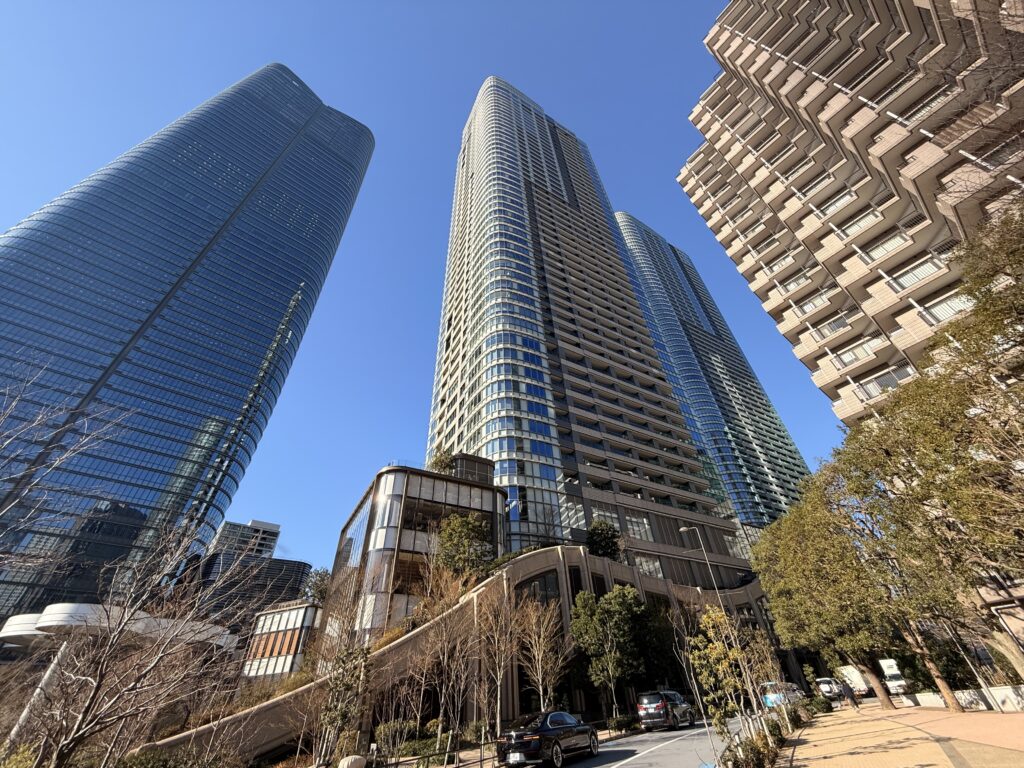
Instead, I chose Hyatt Regency Yokohama, which is a Category 2 Hyatt property costing only 9,000 points per night.
Yokohama is located about 30 minutes from Tokyo by train, which makes it very convenient while still offering much better redemption value.
This allowed me to save Hyatt points while still staying in a comfortable hotel close to the city.
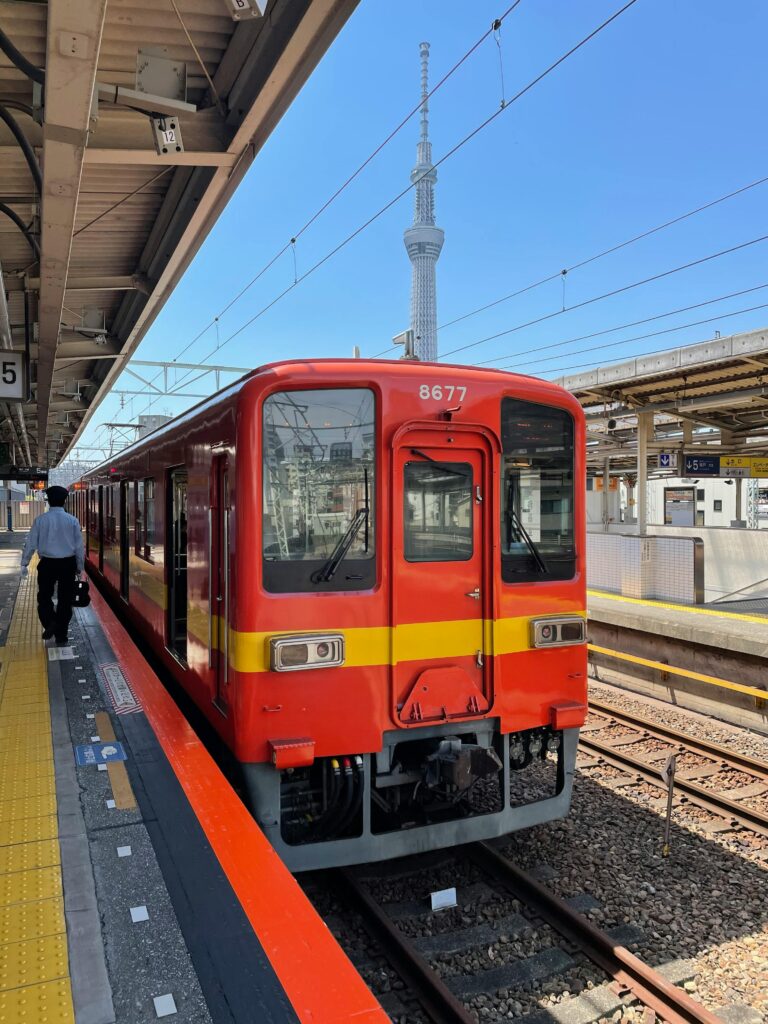
During my time in Tokyo, I spent a morning exploring teamLab Tokyo’s immersive digital art museums, which turned out to be one of the most unique experiences of the trip. Getting around the city initially felt overwhelming, but after a few rides I quickly became comfortable navigating Tokyo’s public transportation system. I also discovered that Tokyo is an incredible place for food souvenirs, especially beautifully packaged chocolate and cookie gifts that are perfect to bring home.
Conrad Tokyo
1 Night – Hilton Aspire Free Night Certificate
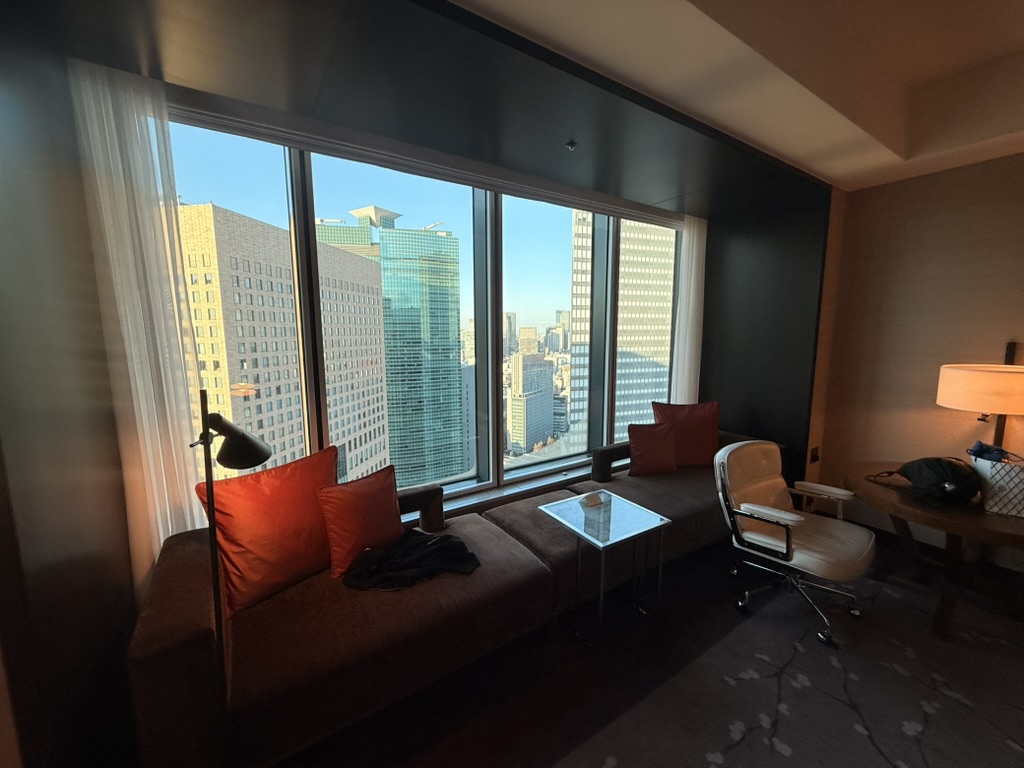
For my final night in the Tokyo area, I used a free night certificate from the Hilton Aspire credit card to stay at Conrad Tokyo.
The Aspire card provides a free night each year that can be used at almost any Hilton property. Using it at a high-end hotel like Conrad Tokyo is one of the best ways to maximize its value.
This gave me one luxury night in Tokyo before continuing on to the China portion of the trip.
Haneda → Shanghai
Economy Flight Included in Alaska Redemption
The flight from Tokyo (Haneda) to Shanghai was included in the original Alaska redemption.
Because Alaska Mileage Plan allows a stopover on partner awards, the entire itinerary:
San Francisco → Tokyo → Shanghai
still cost only 35,000 miles.
This is one of the most valuable features of Alaska miles.
Park Hyatt Shanghai
1 Night – Booked Through AMEX Fine Hotels & Resorts
For my first night in China, I stayed at Park Hyatt Shanghai, booked through the American Express Fine Hotels & Resorts (FHR) program.
The room cost $350, and I applied my $300 annual FHR hotel credit, leaving $50 out-of-pocket.
However, FHR bookings also include a $100 property credit, which can typically be used for dining or other hotel services. During the stay I used part of that credit, which effectively offset the remaining cost.
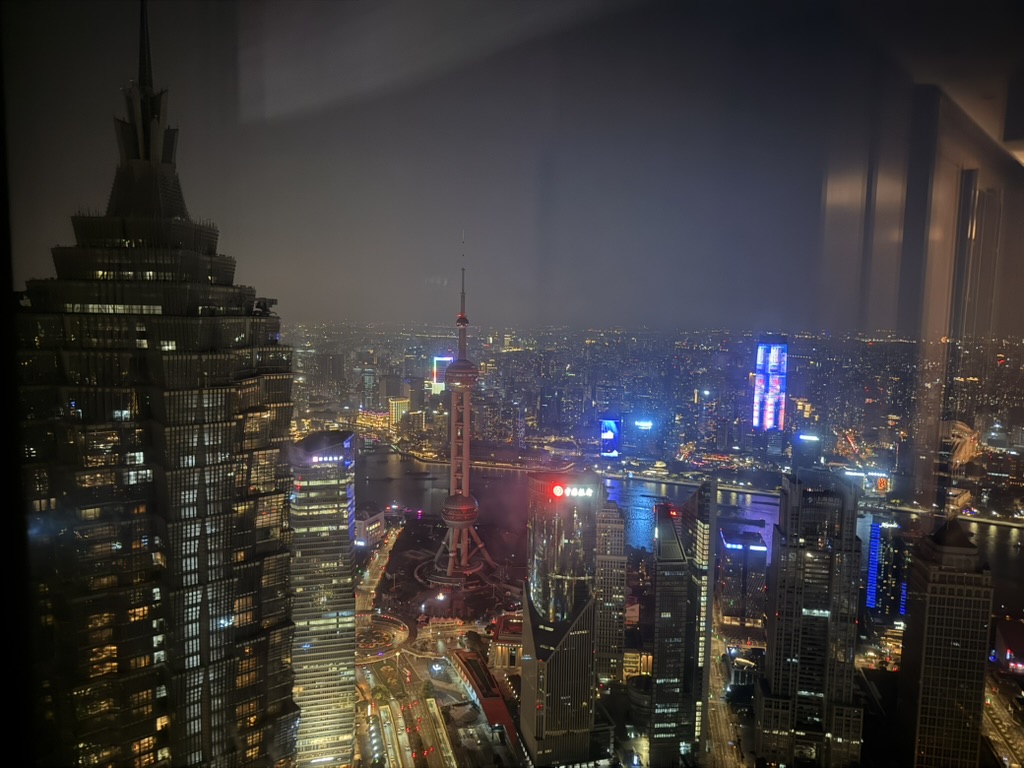
In other words, even though the booking technically required $50 after the credit, the property credit made the stay essentially net positive in value.
Shanghai → Ningbo
Private Car Transfer
Instead of taking a train, I booked a private ride-share car from Shanghai to Ningbo using a service similar to carpooling.
The trip cost about $50 and took roughly three hours.
This option was convenient and allowed me to travel directly to the hotel without transferring between stations.
Park Hyatt Ningbo Resort
1 Night – 12,000 Hyatt Points + Suite Upgrade
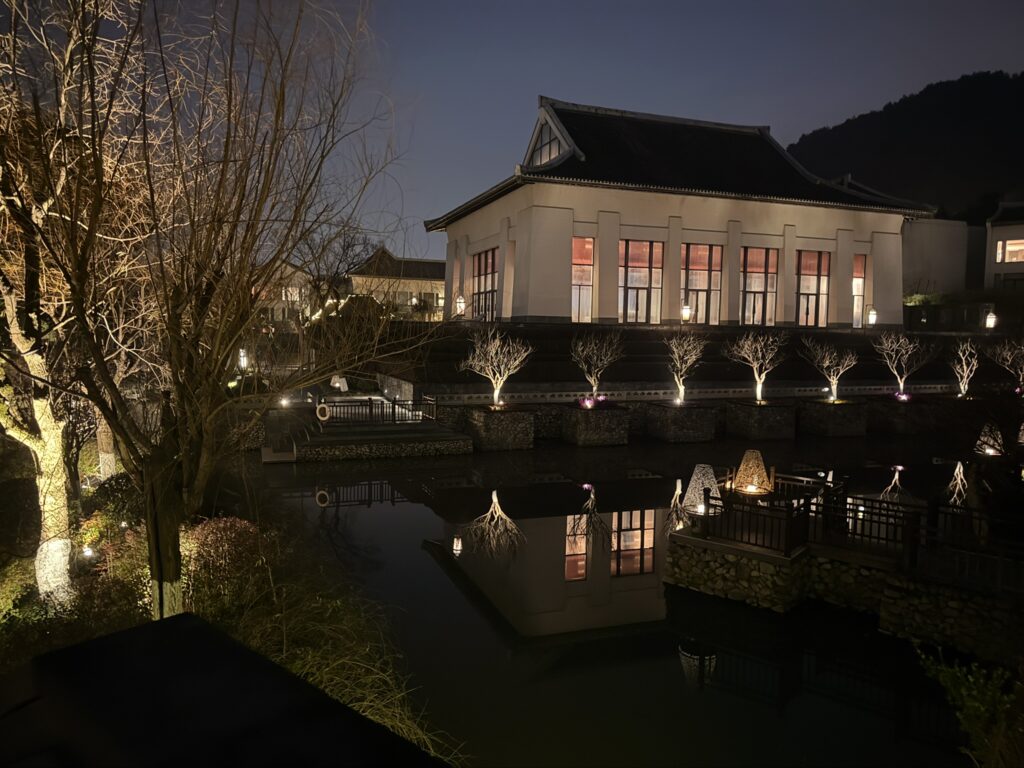
Park Hyatt Ningbo turned out to be the highlight of the entire trip.
The hotel costs 12,000 Hyatt points per night, and I also applied a Hyatt suite upgrade award from my Globalist benefits.
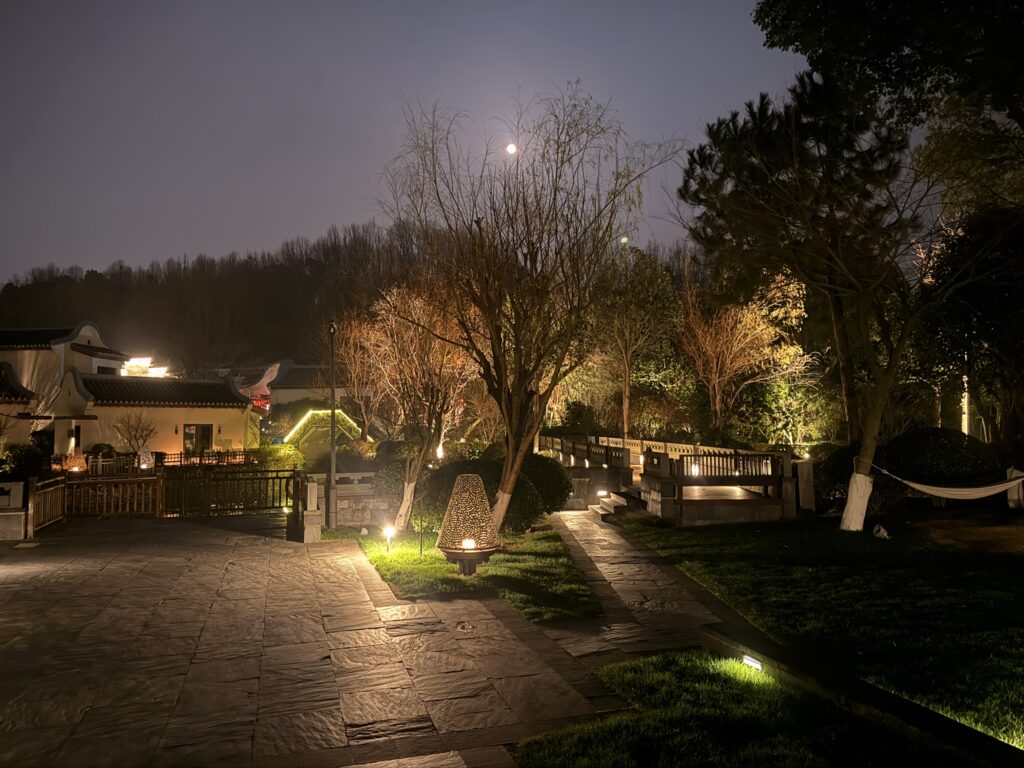
The property is located next to a large lake and designed in a traditional Jiangnan architectural style, creating a quiet and relaxing environment.
After visiting busy cities like Tokyo and Shanghai, the peaceful setting made it the perfect place to unwind.
Hangzhou → Kunming
Economy Flight – 11,000 Flying Blue Miles
Flights within China can sometimes be difficult to book using international airline programs.
However, I found a great redemption through Flying Blue, the loyalty program of Air France and KLM.
A flight from Hangzhou to Kunming would have cost about $300, but Flying Blue priced it at only 11,000 miles.
I transferred points from American Express Membership Rewards to Flying Blue and booked the flight that way.
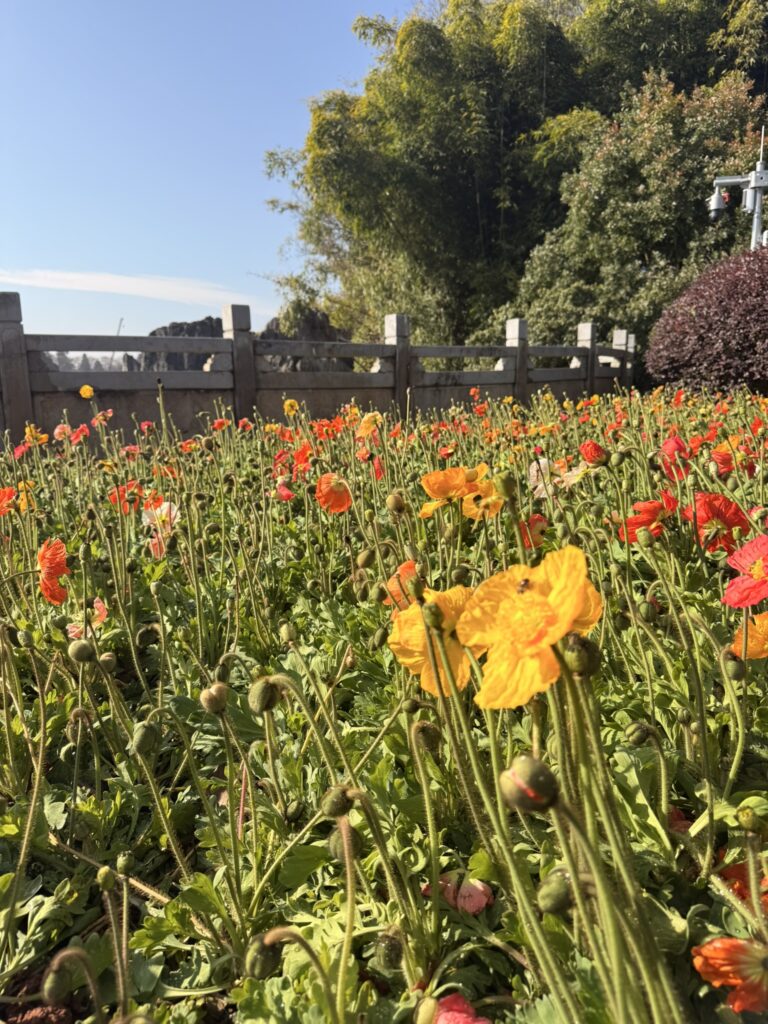
Grand Hyatt Kunming
3 Nights – 8,000 Hyatt Points per Night + Suite Upgrade
Grand Hyatt Kunming is a Category 2 Hyatt hotel, which means it costs only 8,000 points per night.
I stayed for three nights and also used a Hyatt suite upgrade award, giving me a much larger room during the stay.
Because of the low redemption cost, this property offers particularly strong value for Hyatt points.
Kunming → Chengdu
Economy Flight
This was a short domestic flight that cost about $90, so I simply paid with chase Ritz Carlton credit card and get that reimbursed later.
Chengdu Waldorf Astoria and St Regis
The two Chengdu hotels together cost:
$180 (Waldorf Astoria Chengdu)
$130 (St. Regis Chengdu)
Total: $310
I applied another $300 AMEX FHR credit, reducing the out-of-pocket cost to $10.
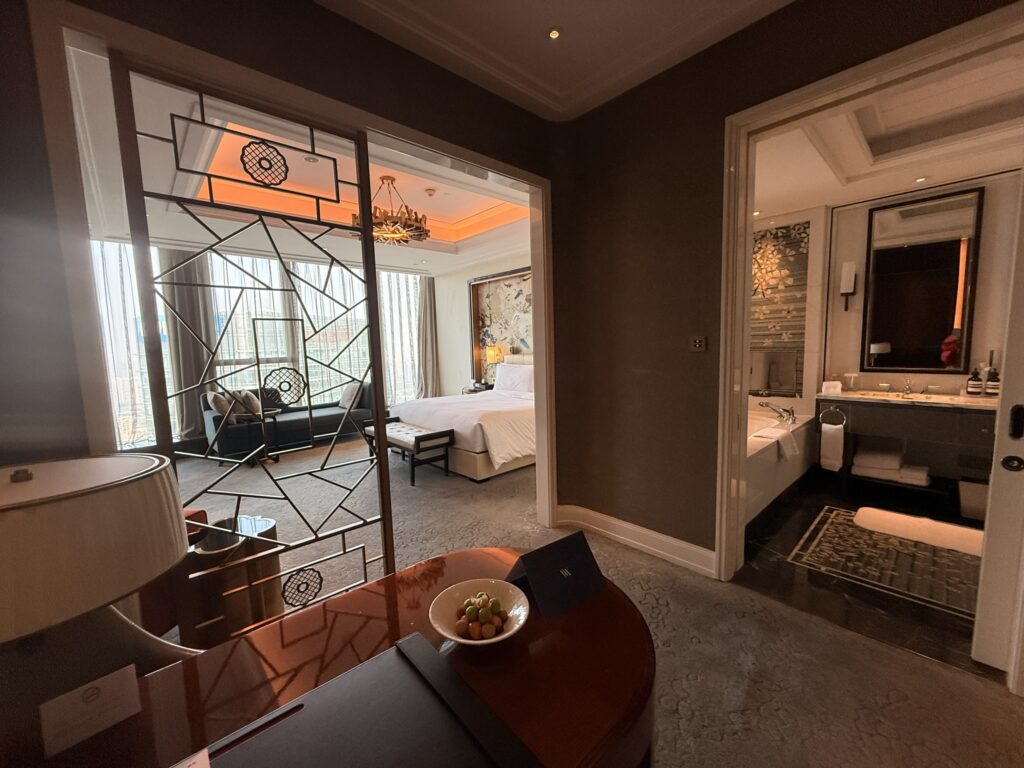
In addition, each FHR stay provided a $100 property credit, giving a total of $200 in hotel credits that could be used for food or other services.
Because of these benefits, the Chengdu portion of the trip actually generated significant net value despite the small cash payment.
Chengdu → Xi’an
High-Speed Train
Instead of flying, I took a high-speed train from Chengdu to Xi’an.
The trip took about three hours and cost $50.
China’s high-speed rail network makes traveling between cities extremely efficient.
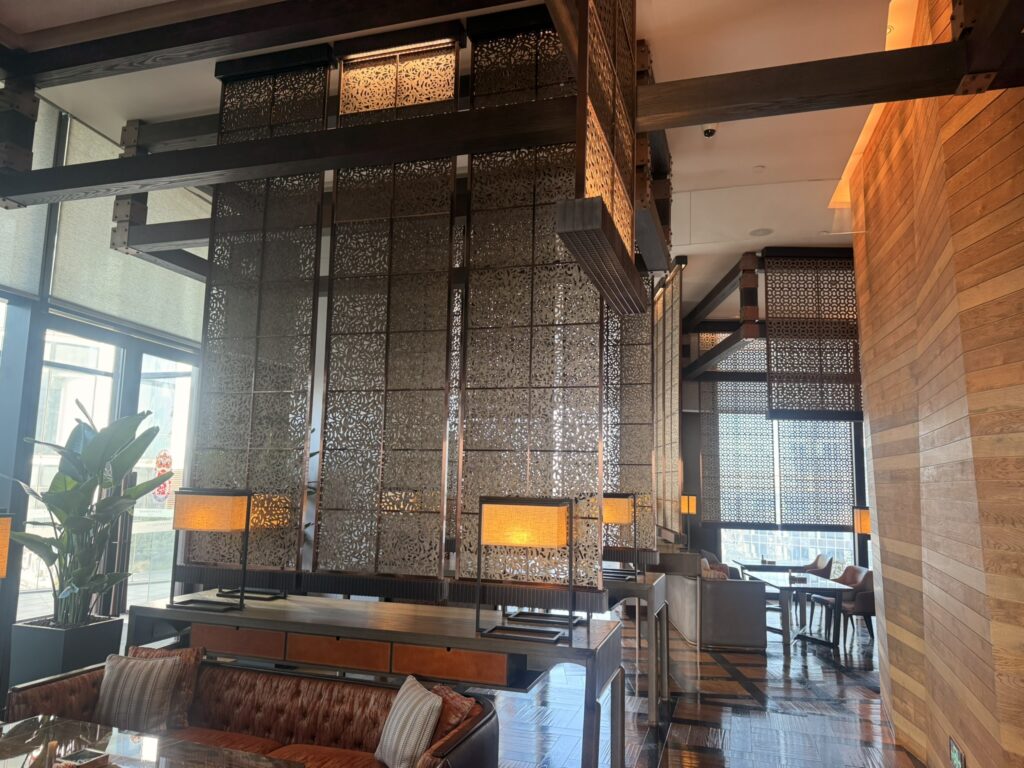
Grand Hyatt Xi’an
1 Night – 8,000 Hyatt Points
For my stay in Xi’an, I used 8,000 Hyatt points at Grand Hyatt Xi’an.
Even though I did not apply a suite upgrade, my Hyatt Globalist status still resulted in a suite upgrade during the stay.
Xi’an → Seoul Economy Flight
To position for the return journey, I flew from Xi’an to Seoul.
The ticket cost $150, and fortunately the flight — operated by Asiana Airlines — was available through the Capital One travel portal.
Because my Capital One card provides an annual $300 travel credit, I used that credit to cover the entire cost of the ticket.
As a result, this flight did not add any additional out-of-pocket expense to the trip.
Seoul → Seattle → San Francisco
Business Class Upgrade
The return flight was originally booked in economy class.
However, because of my Alaska MVP 75K elite status, I was able to apply an upgrade certificate, and the flight cleared into business class on Hawaiian Airlines.
This made the long return journey significantly more comfortable.
Points and Miles Used on This Trip
One of the most interesting parts of this trip was how different loyalty programs worked together. Instead of relying on a single program, the itinerary used a mix of airline miles, hotel points, upgrade certificates, and credit-card benefits.
Here is a summary of the points and miles used.
| Program | Redemption | Points / Miles Used |
|---|---|---|
| Alaska Mileage Plan | San Francisco → Tokyo → Shanghai | 35,000 miles |
| Flying Blue (Air France/KLM) | Hangzhou → Kunming flight | 11,000 miles |
| Hyatt | Hyatt Regency Yokohama (2 nights) | 18,000 points |
| Hyatt | Park Hyatt Ningbo Resort | 12,000 points |
| Hyatt | Grand Hyatt Kunming (3 nights) | 24,000 points |
| Hyatt | Grand Hyatt Xi’an | 8,000 points |
| Hilton Aspire Free Night | Conrad Tokyo | 1 certificate |
| Alaska MVP 75K Upgrade | Seoul → Seattle → San Francisco | 1 upgrade certificate |
Total Points Used
| Program | Total Used |
|---|---|
| Alaska Mileage Plan | 35,000 miles |
| Flying Blue | 11,000 miles |
| Hyatt | 62,000 points |
| Hilton | 1 free night certificate |
| Alaska MVP 75K | 1 upgrade certificate |
Cost Comparison
|
Segment |
Typical Cost |
How I Booked It |
My Cost |
|---|---|---|---|
|
San Francisco → Tokyo → Shanghai |
~$1,200 |
Alaska Mileage Plan (35k miles with stopover) |
$0 |
|
Hyatt Regency Yokohama (2 nights) |
~$150 |
Hyatt points (9k per night) |
$0 |
|
Conrad Tokyo |
~$600 |
Hilton Aspire free night certificate |
$0 |
|
Park Hyatt Shanghai |
$350 |
AMEX Fine Hotels & Resorts credit |
$50 |
|
Ningbo car transfer |
$80 |
Paid cash |
$80 |
|
Park Hyatt Ningbo Resort (suite) |
~$350 |
Hyatt points (12k) + suite upgrade |
$0 |
|
Hangzhou → Kunming flight |
~$300 |
Flying Blue (11k miles) |
$0 |
|
Grand Hyatt Kunming (3 nights suite) |
~$600 |
Hyatt points (8k per night) + suite upgrade |
$0 |
|
Kunming → Chengdu flight |
~$90 |
Paid cash |
$90 |
|
Waldorf Astoria Chengdu |
$180 |
AMEX Fine Hotels & Resorts |
$0 |
|
St. Regis Chengdu |
$130 |
AMEX Fine Hotels & Resorts |
$10 |
|
Chengdu → Xi’an high-speed train |
$50 |
Paid cash |
$50 |
|
Grand Hyatt Xi’an |
~$150 |
Hyatt points (8k) |
$0 |
|
Xi’an → Seoul |
$150 |
Capital One travel credit |
$0 |
|
Seoul → Seattle → San Francisco (Business) |
~$2,000 |
Alaska upgrade certificate |
$0 |
|
Total value |
$5180 |
Out of pocket |
$280 |
| Category | Amount |
|---|---|
| Estimated retail cost of trip | ~$5,180 |
| Actual cash spent | $280 |
| Hotel credits received | $300 |
| Net out-of-pocket cost | –$20 |
Final Result
The trip would have cost roughly $5,180 at retail prices.
By combining points, miles, elite benefits, and credit-card travel credits, my actual spending during the trip was about $280, while the hotel credits I received totaled $300.
In other words, the trip ended up slightly net-positive, even before counting the value of the flights and hotels booked with points.

[…] This was part of my larger trip across Asia. You can read the full story here: A 13-Day Luxury Asia Trip Across 7 Cities for Almost $0. […]
[…] This visit happened during my 13-day luxury Asia trip, where I traveled across seven cities using points, miles, and credit card benefits. If you want to see the full story of that trip, you can read it here: A 13-Day Luxury Asia Trip Across 7 Cities for Almost $0. […]
[…] If you’re curious how this stop fit into my overall itinerary, you can read the full story here: A Fantastic 13-Day Luxury Asia Trip for Almost Free. […]